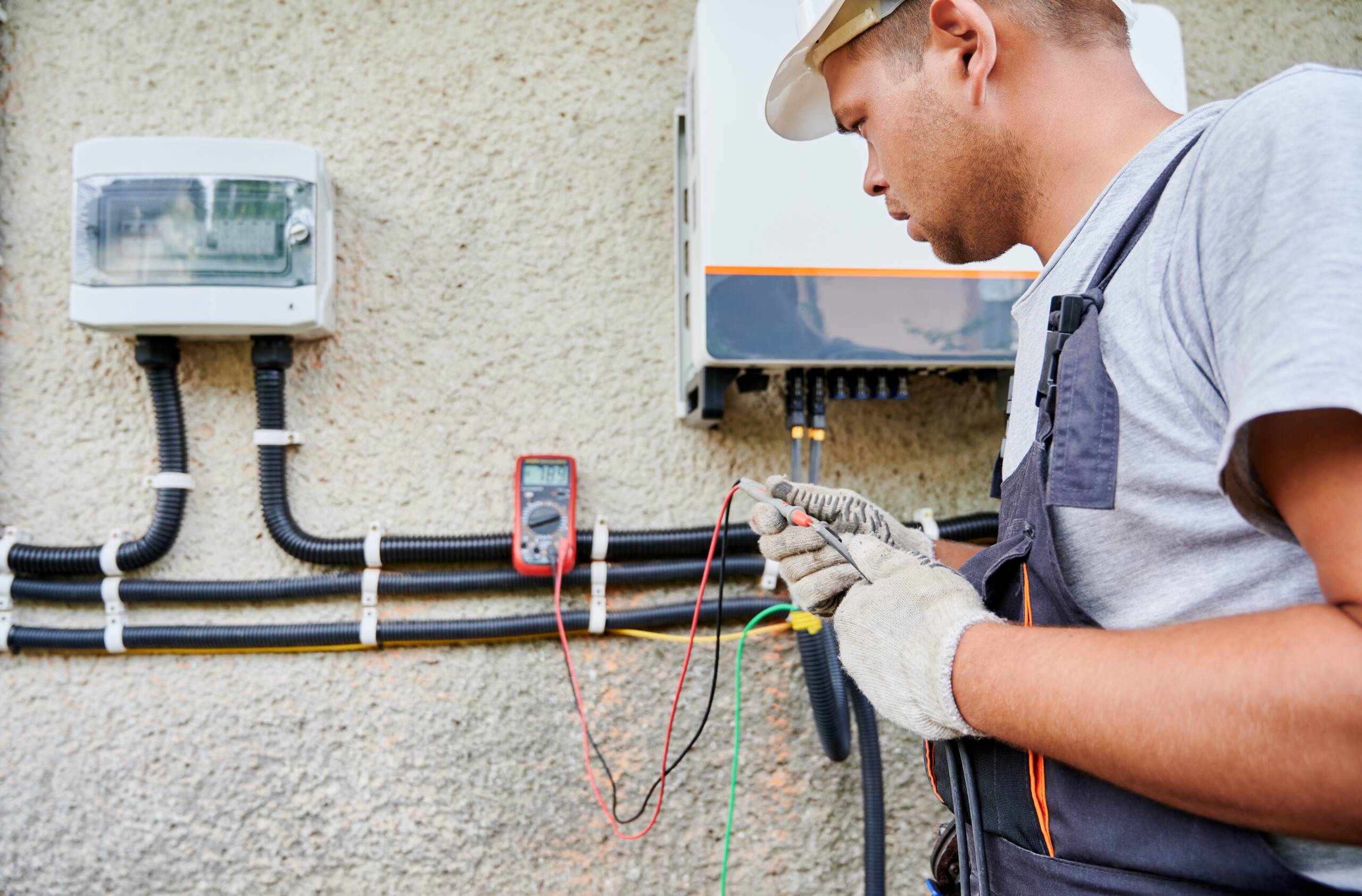
Whole house generators, also known as standby or home generators, play an essential role in ensuring continuous power supply to your home. They are designed to automatically supply electricity within seconds of detecting a power outage. This automatic functionality places whole-house generators a step above portable ones. Let’s explore in-depth the comprehensive benefits of these devices.
Generac in Los Angeles, CA: Your Solution for Uninterrupted Power Supply
A whole house generator is connected directly to your home’s electrical system, thus providing an uninterrupted power supply as soon as it detects a disruption.
Exploring Los Angeles, CA Generators
Unlike portable generators that require manual intervention for operation, whole house generators kick into action automatically during a blackout. This offers peace of mind, especially if you’re not at home during the outage. Additionally, once the main power source is restored, these generators automatically switch off.
Maintaining Comfort Levels with a Los Angeles, CA Generator
A well-installed whole house generator can support all electrical appliances and systems including heating and cooling equipment. This means that during an unexpected power outage due to storms or other weather conditions, your home would still maintain its comfort levels.
Boosting Your Safety with a Home Generator in Los Angeles, CA
Power outages can cause security systems to falter — leaving homes vulnerable to burglars and other criminal activities. A constant power supply ensures that security cameras, alarms, and lights are always functioning.
Portable Generator Repair Services in Los Angeles, CA
Frequent power outages can damage sensitive electrical equipment due to sudden voltage drops or spikes when the electricity is restored. Whole house generators provide steady voltage, protecting your appliances against such damages.
Increases Home Value
According to multiple studies by real estate experts, installing a whole house generator can increase property value by 3-5%. In areas prone to frequent blackouts due to adverse weather conditions or inconsistent electric grid infrastructure, a standby generator can significantly enhance the attractiveness of your property to potential homebuyers.
Fuel Efficiency
Standby generators are more fuel-efficient than their portable counterparts. They can run on various fuels such as natural gas, propane, or diesel, which are readily available and economical. Moreover, certain models can alternate between fuel sources, offering flexibility and cost savings in the long run.
Whole house generators are indeed a worthwhile investment — ensuring uninterrupted power supply, automatic functioning, comfort, safety, protection for appliances and increased property value. This comprehensive list of benefits should help homeowners understand why investing in a whole-house generator is a smart move.
Investing in a whole house generator may initially appear to be a large expense, but when weighing the benefits and convenience it provides, it becomes evident that it is a worthwhile investment.
- Continuous Power Supply:
Whole house generators provide a continuous power supply during power outages, which is crucial for maintaining the normal functioning of appliances and devices such as refrigerators, air-conditioning units, and computers. Unlike portable generators, they do not need to be manually started since they are automatically activated when power outage occurs.
- Protection for Appliances:
Power surges often accompany power outages and these can significantly damage electrical appliances. A whole house generator can reduce this risk by providing a steady stream of electricity that helps protect sensitive electronics from potential damage caused by power surges.
- Increased Home Value:
A home equipped with a whole house generator is more appealing to potential buyers since it ensures uninterrupted power supply during outages. According to various real estate market studies, having a generator can increase your home’s resale value by 3-5%.
- Safety and Comfort:
Power outages can compromise safety and comfort especially during extreme weather conditions. With a whole-house generator, you can maintain comfortable temperatures, keep food fresh in your refrigerator, have access to lighting at night and continue using necessary medical equipment without interruption.
Here’s an overview of how these benefits weigh against the initial cost of investing in a whole-house generator:
| Benefit | Description |
| Continuous Power Supply | Ensures normal functioning of appliances |
| Protection for Appliances | Reduces risk of damage from power surges |
| Increased Home Value | Increases resale value by 3-5% |
| Safety and Comfort | Maintains comfort during extreme weather conditions |
When considering an investment in a whole house generator, it’s important to assess the frequency and duration of power outages in your area, as well as the criticality of having continuous power supply for your specific needs. This will help you make a well-informed decision that ensures peace of mind and convenience during unexpected power disruptions.
When the power goes out for an extended period of time, it can cause a significant disruption to daily life. Essential appliances cease to function, heating or cooling systems fail, and even basic tasks like charging a phone or cooking a meal become challenging. This is where the indispensable role of home generators comes into play, particularly during multi-day power outages.
Home generators provide an immediate solution to power loss by supplying the home with electricity during an outage, ensuring that life can continue as normal. By automatically switching on as soon as a power outage is detected, these generators prevent any significant disruption to daily routines.
Here are some ways in which home generators ensure convenience during multi-day power outages:
- Continuous Power Supply
The primary function of a home generator is to provide a continuous supply of power when the main grid fails. This ensures that all essential appliances and devices continue working, minimizing inconvenience and stress during lengthy blackouts.
- Maintenance of Comfort
By providing uninterrupted electricity, home generators allow heating and cooling systems to keep running smoothly. This maintains indoor comfort levels despite extreme outdoor weather conditions that may have caused the initial blackout.
- Food Preservation
With refrigerators and freezers continuing to operate thanks to the generator, food spoilage becomes a concern of the past during prolonged power outages.
- Support for Home-Based Work
In today’s digital age, many people work from home and rely heavily on electronic devices and stable internet connections. A home generator ensures that work schedules remain unaffected by keeping computers, routers, phones charged and functional.
- Safety At Night
A sudden power outage can leave homes in complete darkness at night which could be potentially hazardous especially for homes with children or elderly residents. With automated home generator systems in place lights can be kept on eliminating risks associated with stumbling around in the dark.
- Health Considerations
For individuals requiring medical devices powered by electricity, having a home generator can be life-saving during a blackout.
Table: Importance of Home Generators During Multi-Day Power Outages
| Benefits | Description |
| Continuous Power Supply | Keeps essential devices and appliances running |
| Comfort Maintenance | Allows heating and cooling systems to function |
| Food Preservation | Prevents food spoilage by keeping refrigerators operational |
| Supports Home-Based Work | Ensures digital devices continue to work and internet connections are stable |
| Safety At Night | Lights can be kept on, reducing potential hazards in the dark |
| Health Considerations | Powers necessary medical devices |
It is clear that home generators play an essential role in providing comfort, safety, and convenience during multi-day power outages. By investing in a reliable home generator, you ensure that your everyday life remains uninterrupted, no matter what happens to the power grid.
The practicality of home generators, especially during planned power interruptions, cannot be overlooked. These devices provide emergency backup power when the regular grid supply is interrupted. This article will delve deeper into understanding how home generators function during planned power interruptions.
Exploring Generator Services in Los Angeles, CA
Home generators are engineered to automatically provide electricity in the event of a power outage.
The Importance of Kohler Generators in Los Angeles, CA During Power Interruptions
On occasions where there are planned interruptions by public utilities for maintenance or upgrade works, home generators act as a reliable alternative source of power. These outages can last anywhere from a few hours to several days depending on the nature of work being undertaken.
During such periods, home generators mitigate disruptions that can occur in household operations by ensuring continuous power supply for critical systems like heating or cooling systems, refrigeration, lighting and medical equipment. They also help protect homes from potential damages that could result from abrupt power cuts or surges when electricity resumes.
Key Features That Enhance Home Generator’s Functionality
- Automatic Operation: Most modern home generators come with an automatic operation feature which detects when there is a drop in electricity supply within seconds.
- Safety Measures: Today’s designs incorporate safety measures such as Carbon Monoxide (CO) detection shut-off systems that halt operation if harmful CO levels are detected.
- Fuel Efficiency: Modern designs offer fuel efficiency with some models able to adjust their engine speed based on electrical demand which significantly reduces noise output and fuel consumption.
- Weatherproof Enclosures: Most models are housed in weatherproof enclosures allowing them to run optimally even in adverse weather conditions.
Generators in Los Angeles, CA: Sizing and Installation Guide
Choosing the right size generator for your home is dependent on the number of appliances and systems you want to keep running during a power outage. Generator sizes are based on their output wattage, so it’s important to sum up the total wattage required.
Professional installation by qualified technicians is recommended for home generators as they need to be connected directly to your home’s electrical panel and fuel supply. Incorrect installation not only poses safety risks but may also void the manufacturer’s warranty.
As we continue to rely heavily on electricity in our day-to-day lives, investing in a home generator offers a practical solution for ensuring continuous power supply during planned power interruptions. By understanding their functionality and features, you can make an informed purchase that fulfills your specific needs.
In the face of unpredictable weather patterns and frequent severe weather conditions, many homeowners are looking to secure their homes with home generators. For those who live in areas prone to hurricanes, tornadoes, or significant snowstorms, these generators are not just an accessory – they are a necessity. This is especially true considering that such inclement weather events often lead to extended power outages.
Home generators act as a reliable backup source of power, ensuring that your home’s vital systems continue to operate normally even during the worst of storms. They provide a seamless supply of electricity that can power everything from your heating and cooling systems to your refrigerator and other critical appliances.
One major benefit of having a home generator is peace of mind.
- You don’t have to worry about food in your refrigerator or freezer spoiling due to lack of refrigeration.
- You can keep critical medical equipment running.
- You can maintain comfortable indoor temperatures, which is particularly important in extreme heat or cold conditions.
- You can keep communication devices charged up, ensuring you stay connected with the outside world.
Another significant advantage is safety.
- Your security system stays powered up, maintaining the safety barrier around your property.
- Sufficient lighting reduces the risk of accidents in the dark.
- It eliminates the need for dangerous temporary solutions like candles or portable heaters.
In terms of choosing between portable generators and whole house generators, it’s important to note that while both offer benefits during severe weather scenarios, whole house generators provide more comprehensive coverage.
Whole house generators are permanently installed and automatically switch on when they detect a power outage. They’re capable of powering all of the appliances in your home simultaneously and run on natural gas or propane which means they can last for several days if needed.
On the other hand, portable generators aren’t designed to power your whole home. They’re better suited for temporary, limited power needs and require manual setup and refuelling which can be inconvenient during a severe weather event.
In essence, investing in a home generator is a proactive measure in ensuring safety and peace of mind during severe weather conditions. Despite the initial investment, the reassurance that comes from knowing that your home is protected from the inconveniences and potential dangers of a power outage becomes invaluable when faced with the harsh realities of extreme weather events.